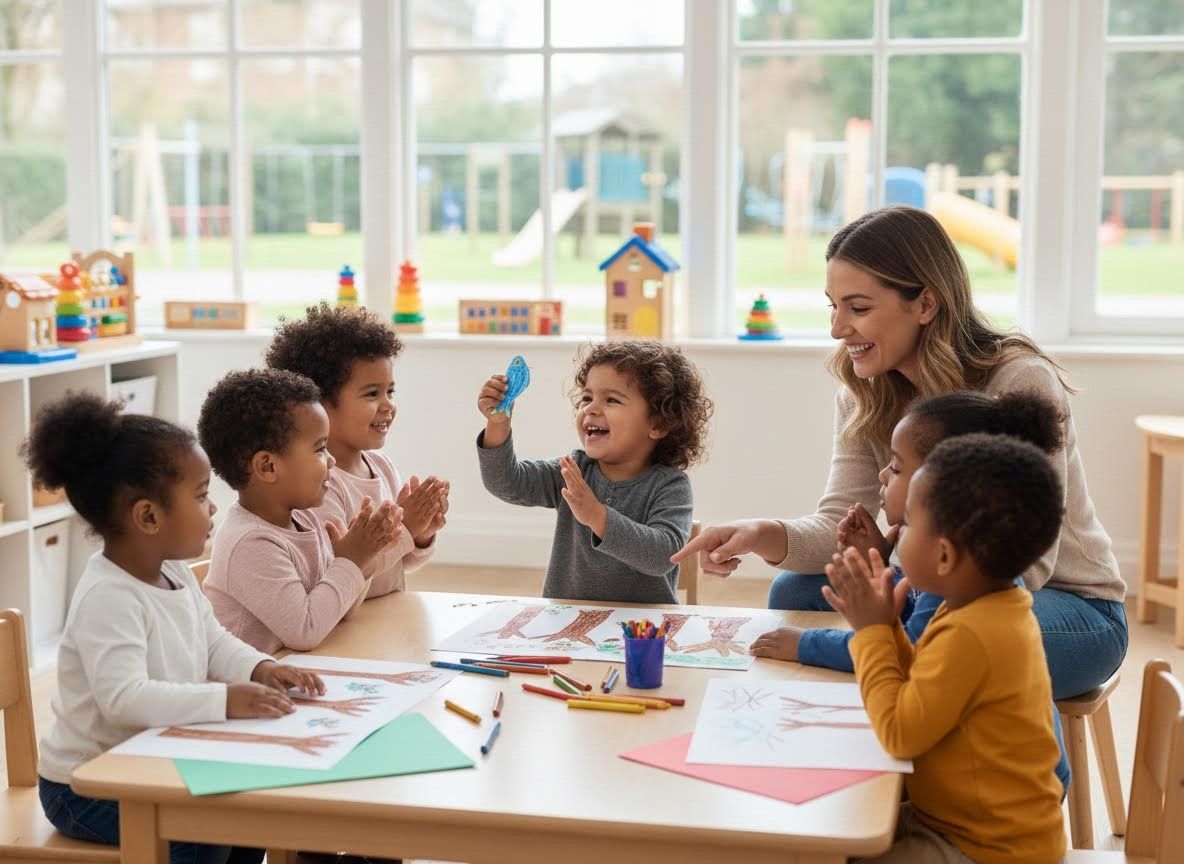
Early childhood is a critical period for developing foundational social skills that will last a lifetime. In a structured daycare setting, children are immersed in an environment specifically designed to foster these essential interactions, helping them navigate the world around them with confidence and empathy. At Above and Beyond Early Learning Academy, we believe in providing a nurturing space where every child learns how to connect with others, building crucial social competencies through daily experiences and guided activities.
Building Blocks of Interaction: Daily Opportunities for Connection
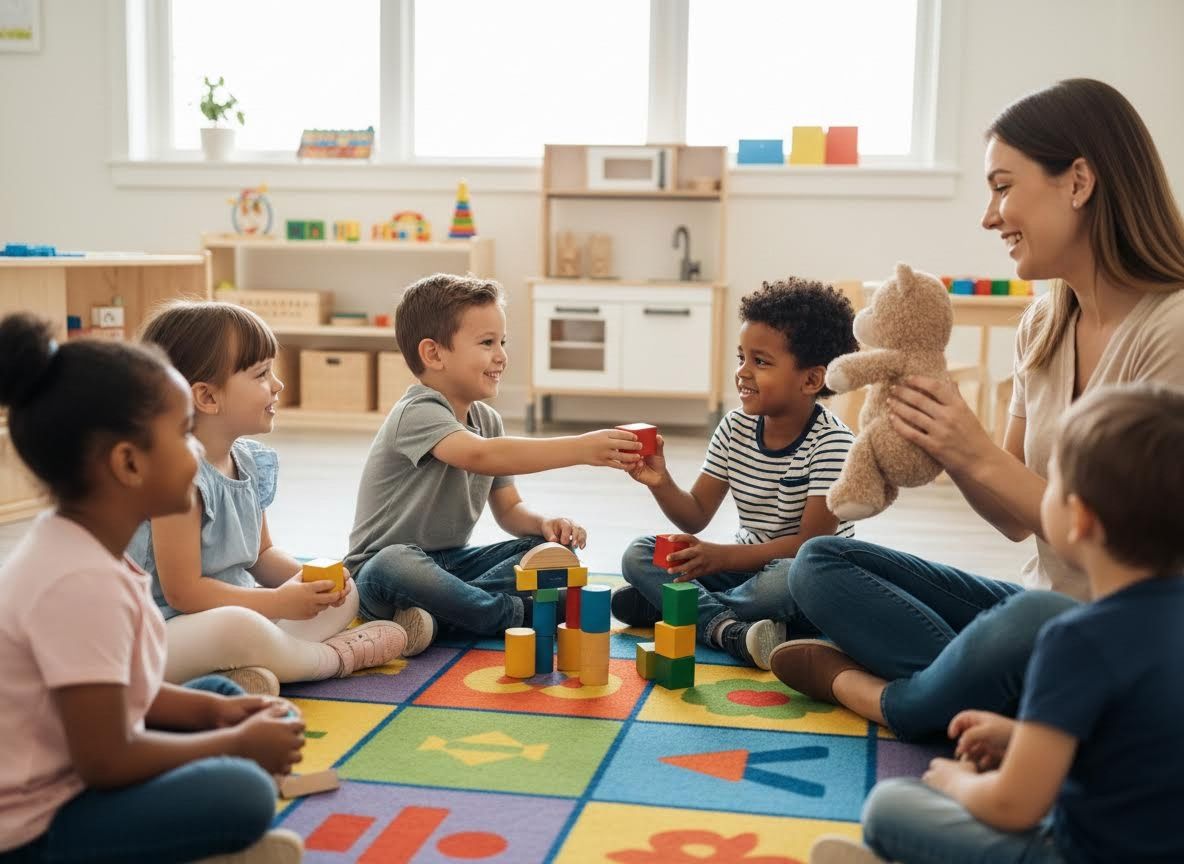
Structured daycare provides a consistent framework for social engagement. Unlike less formal settings, a well-planned program intentionally creates scenarios where children must interact with peers and adults. Whether it's lining up for an activity, participating in group discussions, or engaging in free play within defined zones, these daily routines offer countless opportunities to practice communication, sharing, and cooperation. Through these regular interactions, children learn the rhythm of social dynamics, understanding cues and responses that are vital for healthy relationships.
Learning Through Play and Collaborative Activities
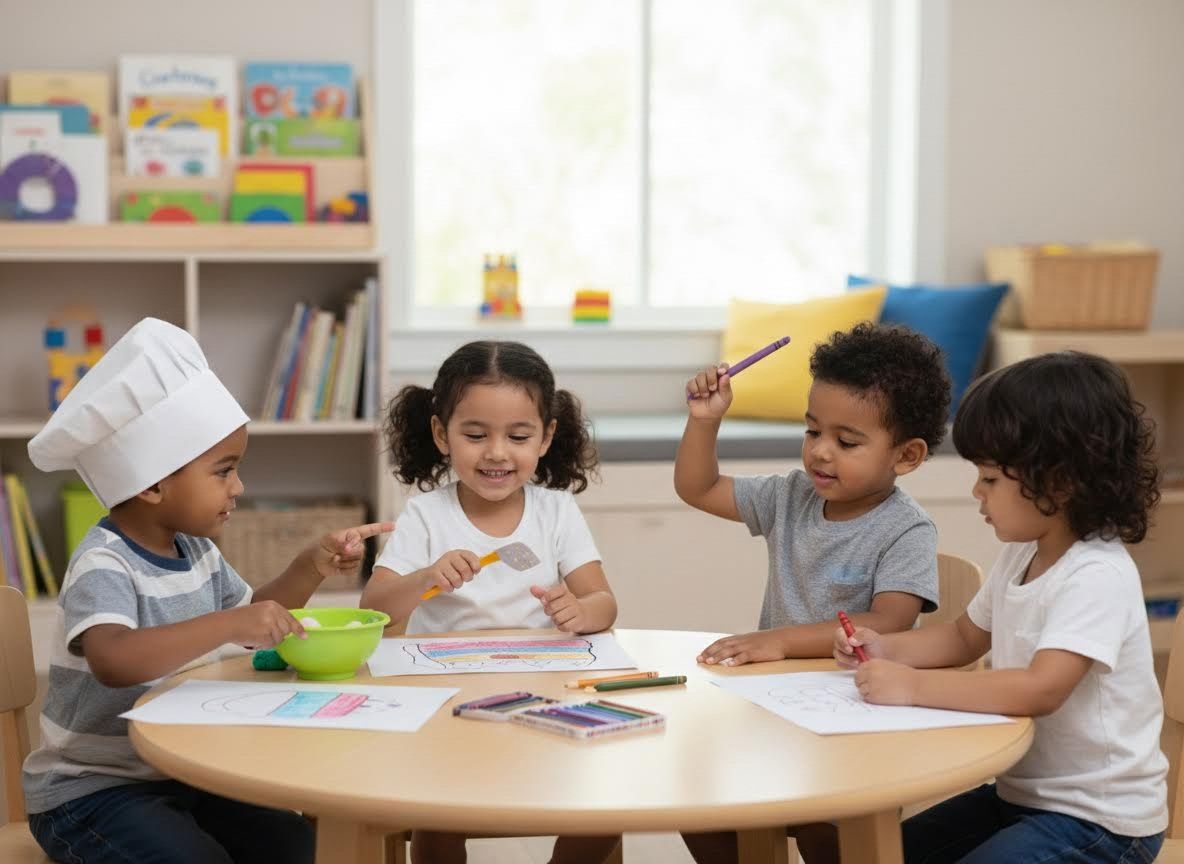
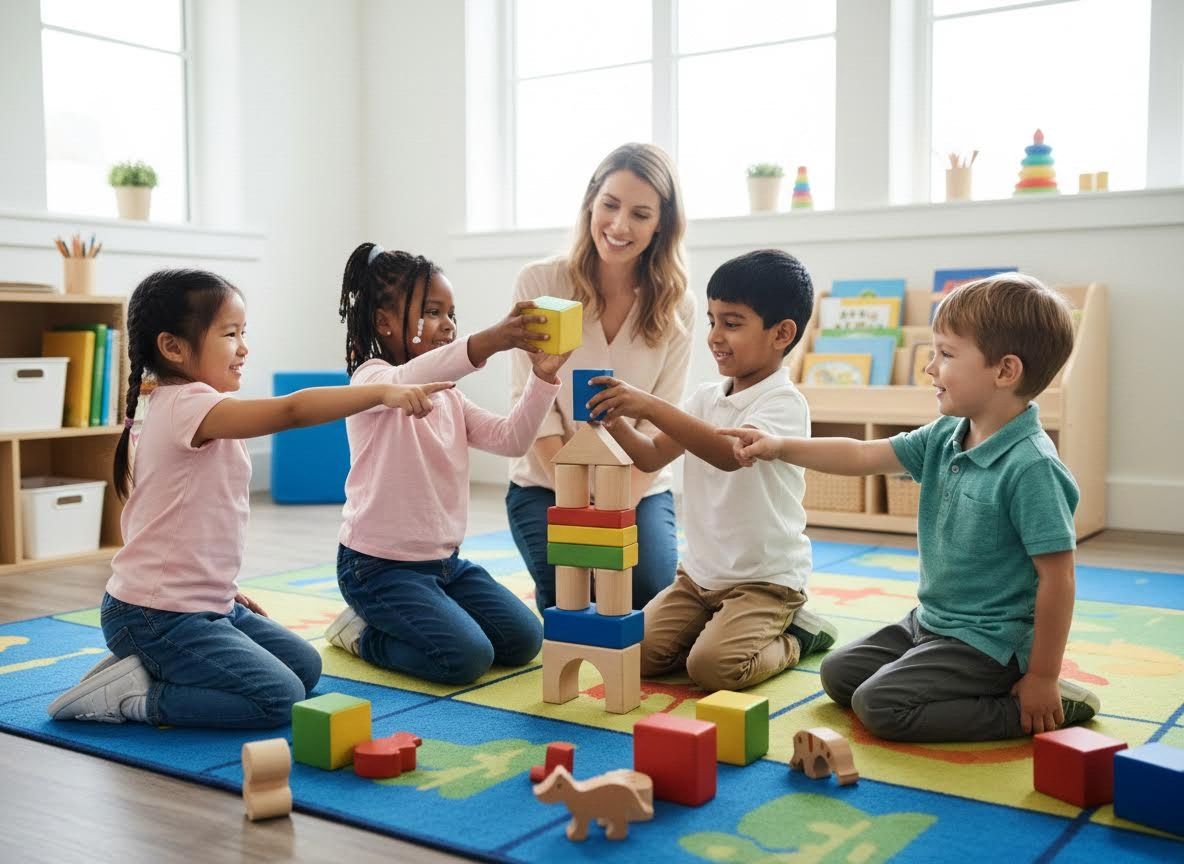
Play is the language of childhood, and in a structured environment, it becomes a powerful tool for social learning. Group games, dramatic play, and collaborative art projects encourage children to work together towards a common goal. They learn the art of negotiation when deciding who gets to be the "chef" or how to share the crayons. Story time promotes active listening and empathy as children connect with characters and discuss feelings. These guided play experiences teach valuable lessons in turn-taking, problem-solving, and respecting different perspectives, all within a fun and engaging context.
Cultivating Empathy and Effective Communication
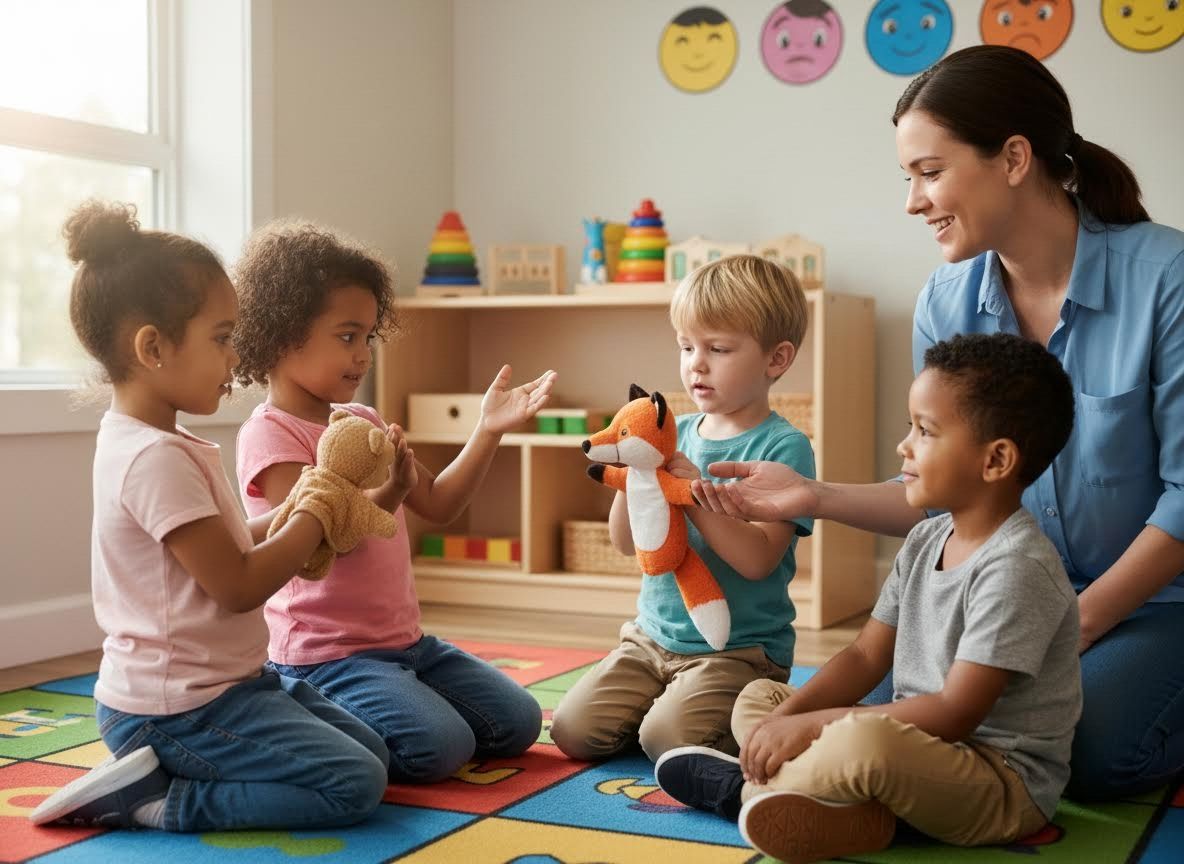
A key benefit of structured daycare is the focus on emotional development and communication. Educators guide children in identifying and expressing their feelings appropriately, as well as understanding the emotions of others. Through role-playing, conversations, and gentle mediation, children learn to say "please" and "thank you," to ask for what they need, and to listen when others speak. This consistent modeling and encouragement help them develop empathy, allowing them to connect more deeply with their peers and build supportive friendships based on understanding and respect.
Conclusion
Structured daycare activities are more than just daily routines; they are carefully crafted experiences that significantly contribute to a child's social development. By providing regular opportunities for interaction, fostering collaborative play, and teaching effective communication and empathy, these environments lay a strong foundation for future success. At Above and Beyond Early Learning Academy, we are dedicated to providing an environment where children not only feel safe to explore and learn but also thrive in their social-emotional growth, preparing them for a lifetime of meaningful connections. We invite you to explore how our programs support your child's holistic development.